
Solar outdoor lights harness clean energy to illuminate pathways, gardens, and entryways effortlessly.
Solar outdoor lights capture sunlight during the day and store that energy in internal batteries to power built in lamps automatically at dusk. They eliminate the need for complicated electrical wiring, reduce utility bills, and provide reliable illumination for pathways, gardens, patios, and house perimeters throughout the night.
Read The Full Guide
Understanding Solar Panel Power
Monocrystalline panels offer higher energy conversion rates in limited sunlight areas. Polycrystalline panels provide a budget friendly alternative for sunny regions. Positioning panels toward direct southern exposure ensures maximum daily charging efficiency.
Battery Capacity And Runtime
Lithium ion batteries store captured energy reliably across varying seasonal temperatures. Higher milliamp hour ratings translate to longer operational runtimes after sunset. Selecting units with adequate storage capacity prevents premature fading during cloudy weather.
Brightness And Color Temperature
Lumen output determines the overall intensity of your nighttime illumination. Warm white color temperatures create a cozy ambiance for entertaining spaces. Cool white beam options enhance safety and visibility around darker property perimeters.
Weather Resistance Ratings
Exterior fixtures require durable seals to withstand rain, snow, and wind. Checking ingress protection codes ensures components resist moisture and dust effectively. Quality metal or heavy resin housings prevent rust and fading over years of seasonal exposure.
Quick Buying Checklist
- Assess daily sunlight exposure in your yard before selecting fixture locations.
- Determine required brightness levels for safety versus decorative ambiance.
- Inspect battery replacement options for long term product maintenance.
Top Picks To Compare
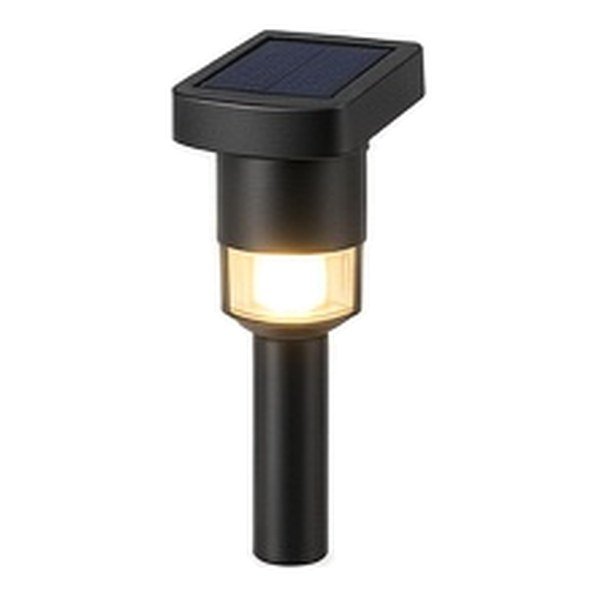

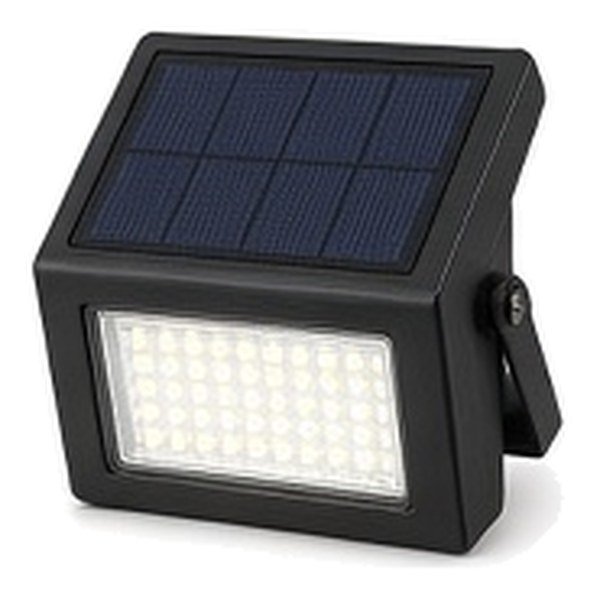
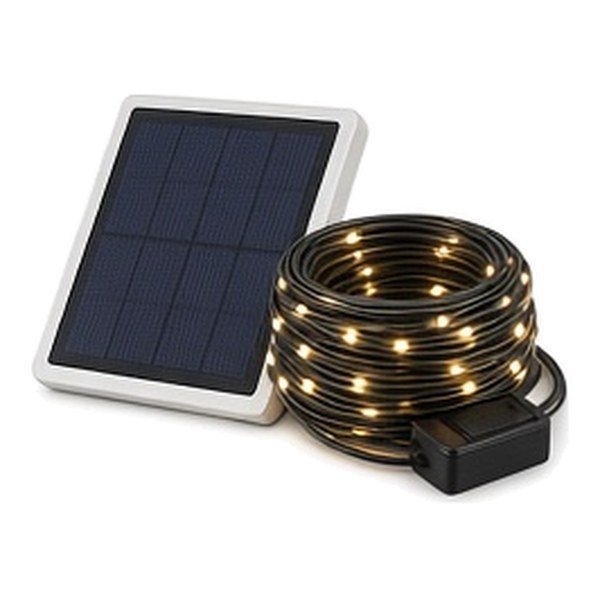
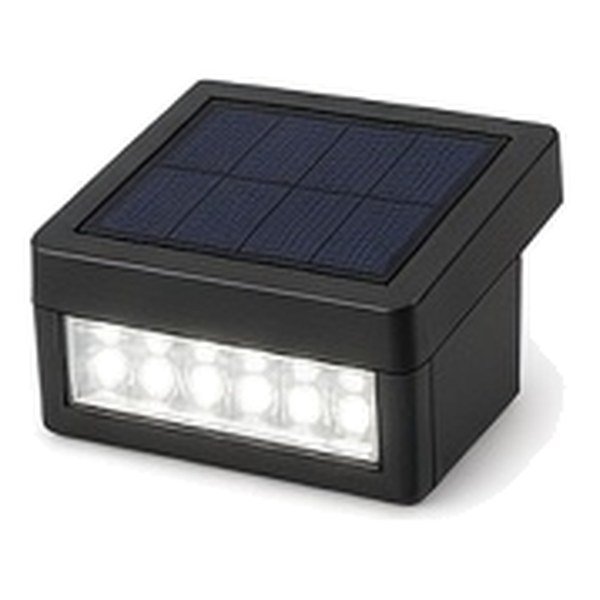
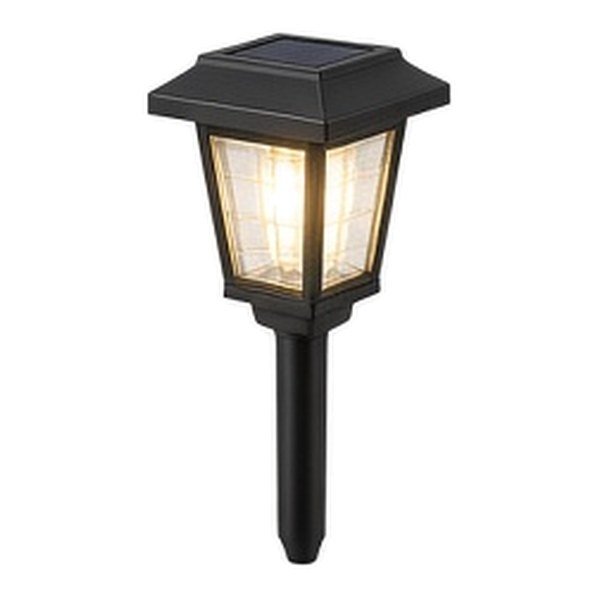
Solar Garden Stakes
Look for decorative topper designs that complement your landscaping.
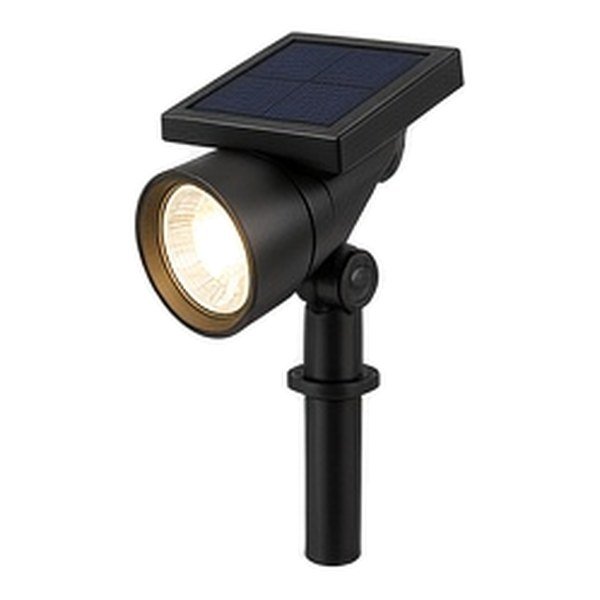
Solar Spot Lights
Ensure focused beam angles highlight architectural features accurately.
Questions Shoppers Ask
How Long Do Solar Lights Stay Illuminated?
Most quality units shine for eight to twelve hours after receiving a full daily charge. Actual runtime depends on seasonal weather conditions and sunlight hours.
Do Solar Outdoor Lights Work During Winter?
They continue operating in winter, though shorter daylight hours and lower sun angles reduce total daily charging capacity. Clearing snow accumulation from panels restores performance.
Where Is The Best Place To Position Solar Panels?
Mount panels facing direct sunlight without obstructions from roof overhangs or leafy tree branches. South facing angles capture the strongest daily rays.
Why Do Some Solar Lights Turn On During The Day?
Malfunctioning or obstructed built in sensors can fail to detect ambient daylight accurately. Cleaning the sensor lens usually resolves this issue.